

I owned a high-end esthetics clinic for 15 years.
I built a loyal client base. I made good money. And I am not proud of one very specific thing about how I ran that business.
This is not a confession I expected to be making publicly. But after walking away from the industry entirely, I can’t keep pretending the system works the way clients think it does.
Because it doesn’t.
My clinic offered everything you’d expect from a high-end practice. Waxing, laser treatments, the full menu.

My clients trusted me. They came back every 4–6 weeks, year after year, because I told them that was the best way to manage unwanted hair.
And in a sense, it was — for my business model.
Repeat appointments were the lifeblood of the clinic. Every client who booked a standing waxing schedule represented predictable, recurring revenue.
That’s how the industry works. It’s not a secret among professionals.
But here’s what we never said out loud to clients.
Recommending an at-home product that actually worked would have ended the appointment cycle.
No follow-up appointments means no revenue.
The industry doesn’t recommend depilatory cream to clients not because it doesn’t work. It’s because it works too well.
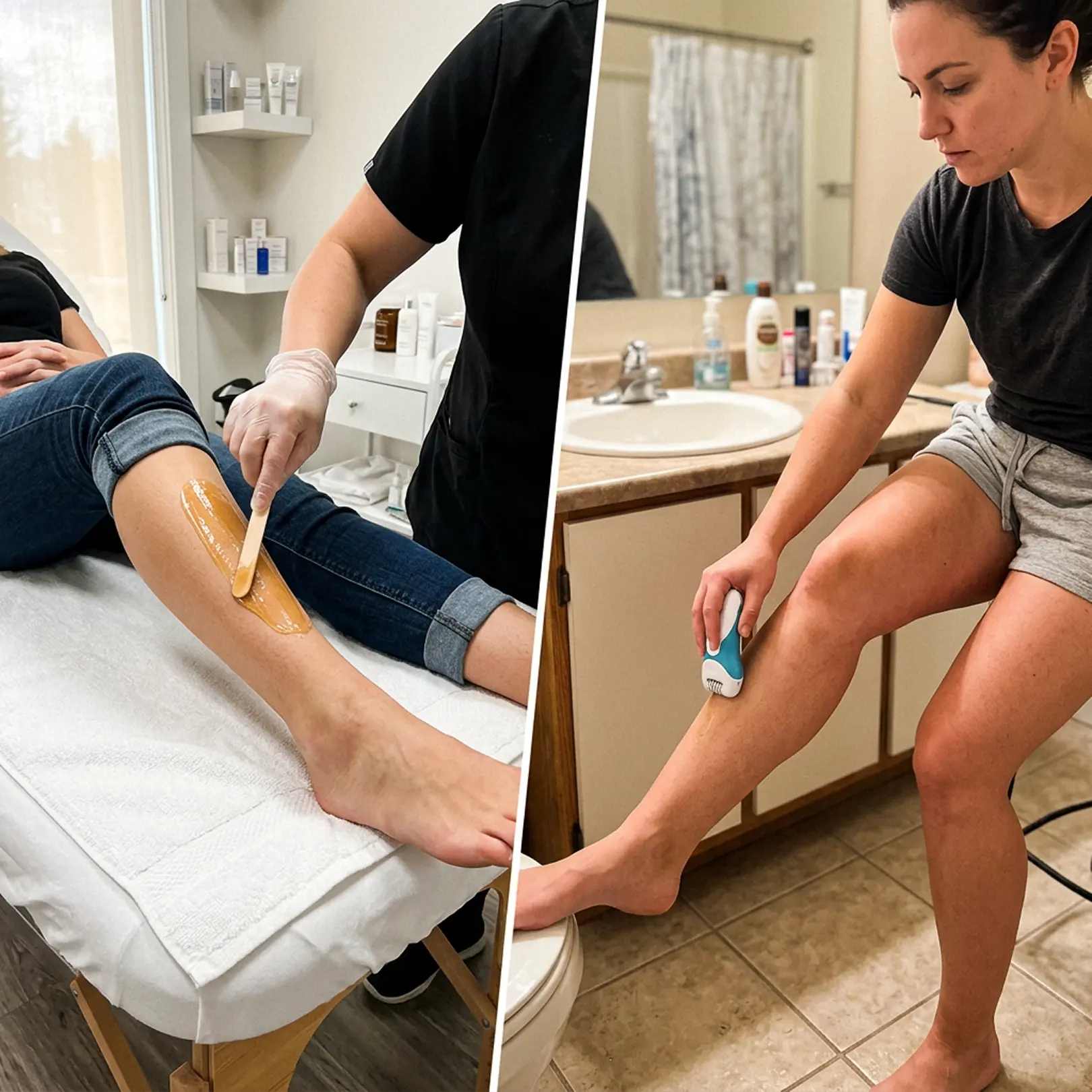
A client who switches to an effective at-home method doesn’t come back. She doesn’t need to.
And we all knew that.
I’m not saying every esthetician is deliberately withholding information. But the financial incentive structure is built to keep clients coming back — not to make them independent.
That’s the part that sits wrong with me now.
Here’s what I need you to understand.
I used depilatory cream at home. So did most of my colleagues.
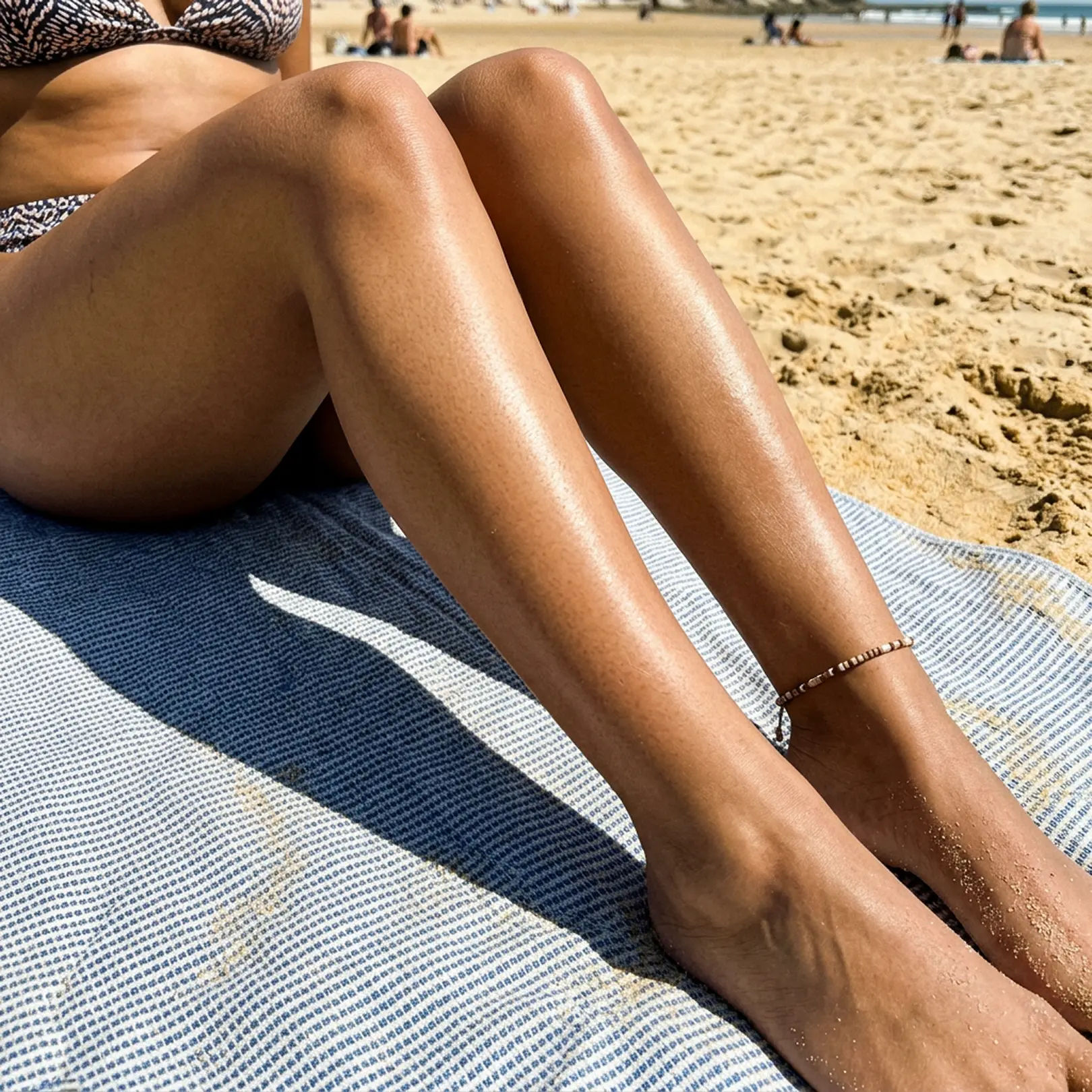
Not because we couldn’t afford our own services. We could.
But because cream was faster, didn’t lock us into a maintenance cycle, and cost a fraction of what we were charging clients for waxing or laser.
We knew the science. We knew how it worked. We knew it delivered smooth skin that lasted.
We just never told our clients.
That’s the part I can’t reconcile anymore. I was selling one solution while using another at home.
And I wasn’t the only one.
If you’ve ever wondered why stubble feels so harsh after shaving, here’s the actual answer.
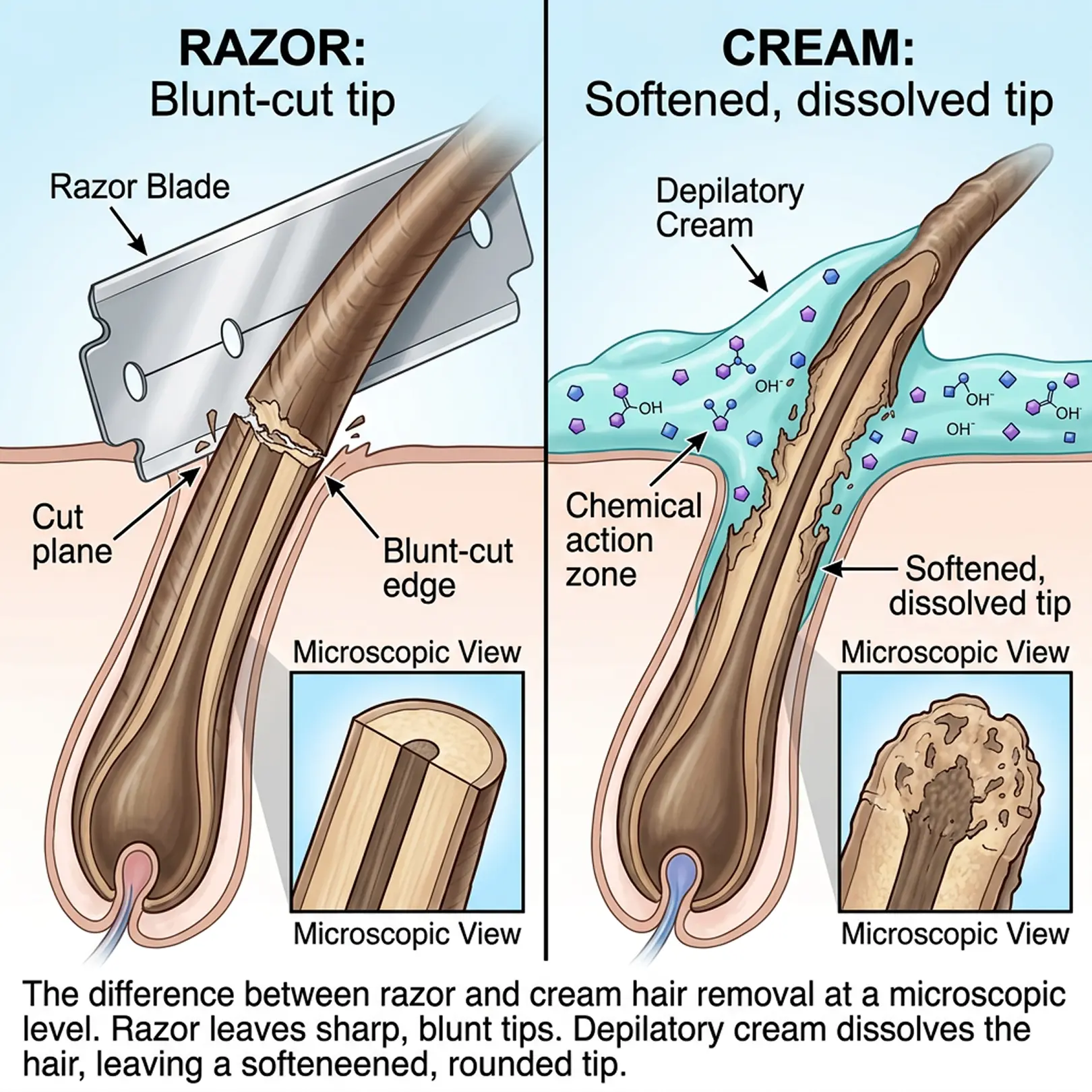
A razor cuts the hair shaft flat. Every single hair gets a blunt, hard-edged tip.
That geometry is what makes regrowth feel prickly and coarse. It’s not a change in the hair itself. It’s purely mechanical — a short, blunt-tipped hair is stiffer and sharper to the touch than a longer hair with a fine tip.
Research confirms this. Dermatology studies published in the Journal of Investigative Dermatology have documented that shaving produces no biological change in hair whatsoever.
The prickly sensation you experience is entirely the geometry of the cut.
Cream works on a completely different principle.
Thioglycolate — the active compound in depilatory formulas — dissolves the hair shaft chemically rather than cutting it. Research published in Experimental Dermatology documents how thioglycolate degrades the hair cuticle and cortex at the structural level.
The shaft is progressively dissolved, not cleanly transected.
The regrowing tip is softened and feathered, not flat and blunt.
That’s why regrowth after cream feels different from regrowth after shaving. It’s not psychological. It’s the tip.
And that difference — regrowth that feels softer and less coarse instead of sharp and prickly — is exactly why I used cream at home instead of shaving or booking my own waxing appointments.
Not all depilatory creams are the same.
The formulation I use now — and the one I recommended quietly to a handful of clients before I sold my practice — is Bare Basics No-Shave Hair Removal Cream.
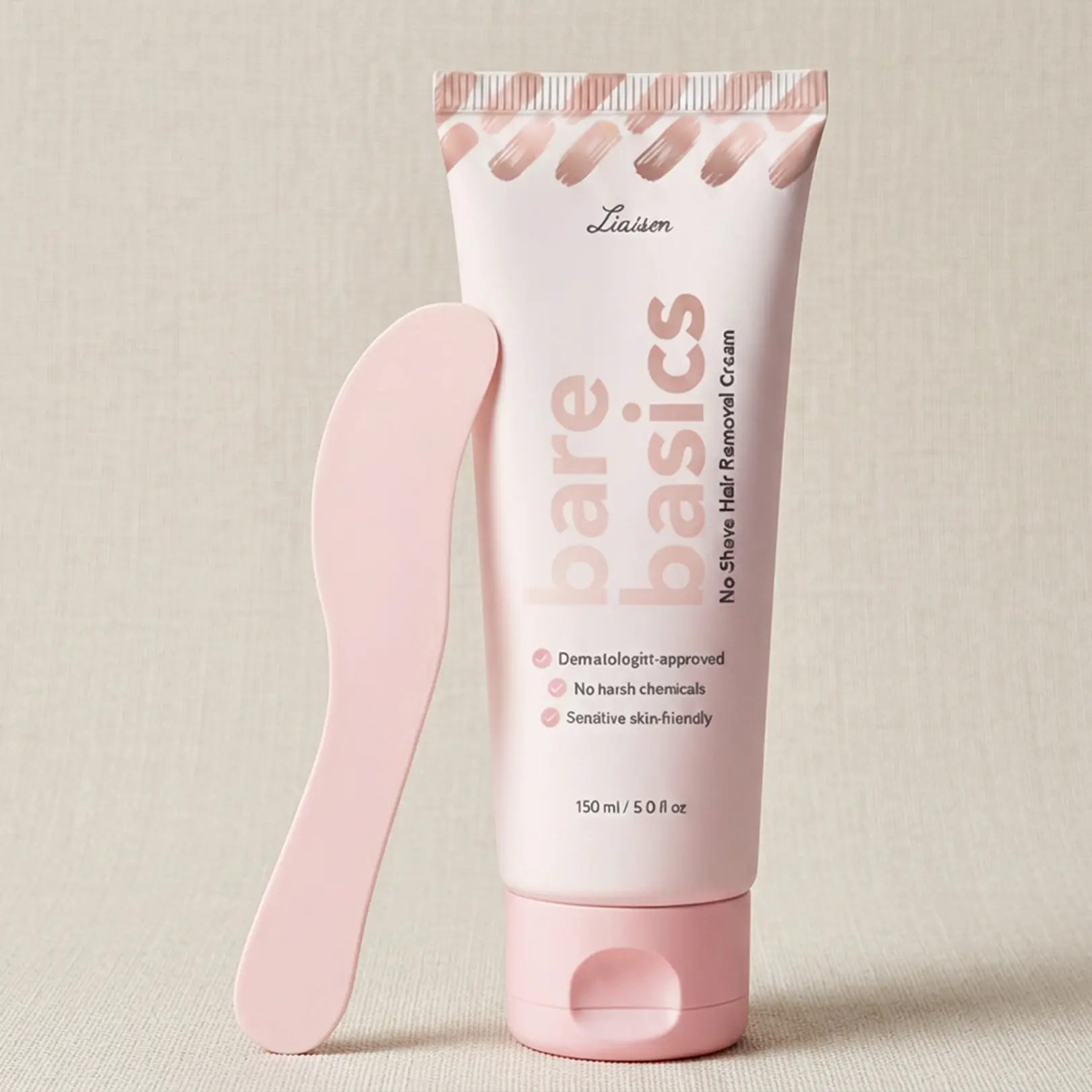
Here’s why this one specifically.
Calcium Thioglycolate is the dissolution mechanism. It chemically breaks down the hair shaft at the protein level — the same principle I just explained, executed cleanly.
Vitamin E (Tocopheryl Acetate) creates a protective, conditioning layer on the skin during the process. This is what separates a professional-grade formula from the harsh drugstore options that leave your skin feeling stripped.
Pro-Vitamin B5 (Panthenol) is the moisture and repair active. It keeps skin hydrated and conditioned rather than irritated.
If you’ve had a bad experience with drugstore depilatory cream in the past — redness, irritation, that tight, uncomfortable feeling afterward — it was likely because the formula didn’t include conditioning actives like these.
Bare Basics delivers the professional result without the irritation.
That’s the difference.
I didn’t tell most of my clients about cream while I was still running the clinic.
But a few figured it out on their own. And when they came back for what turned out to be their last appointment, the conversations were always the same.
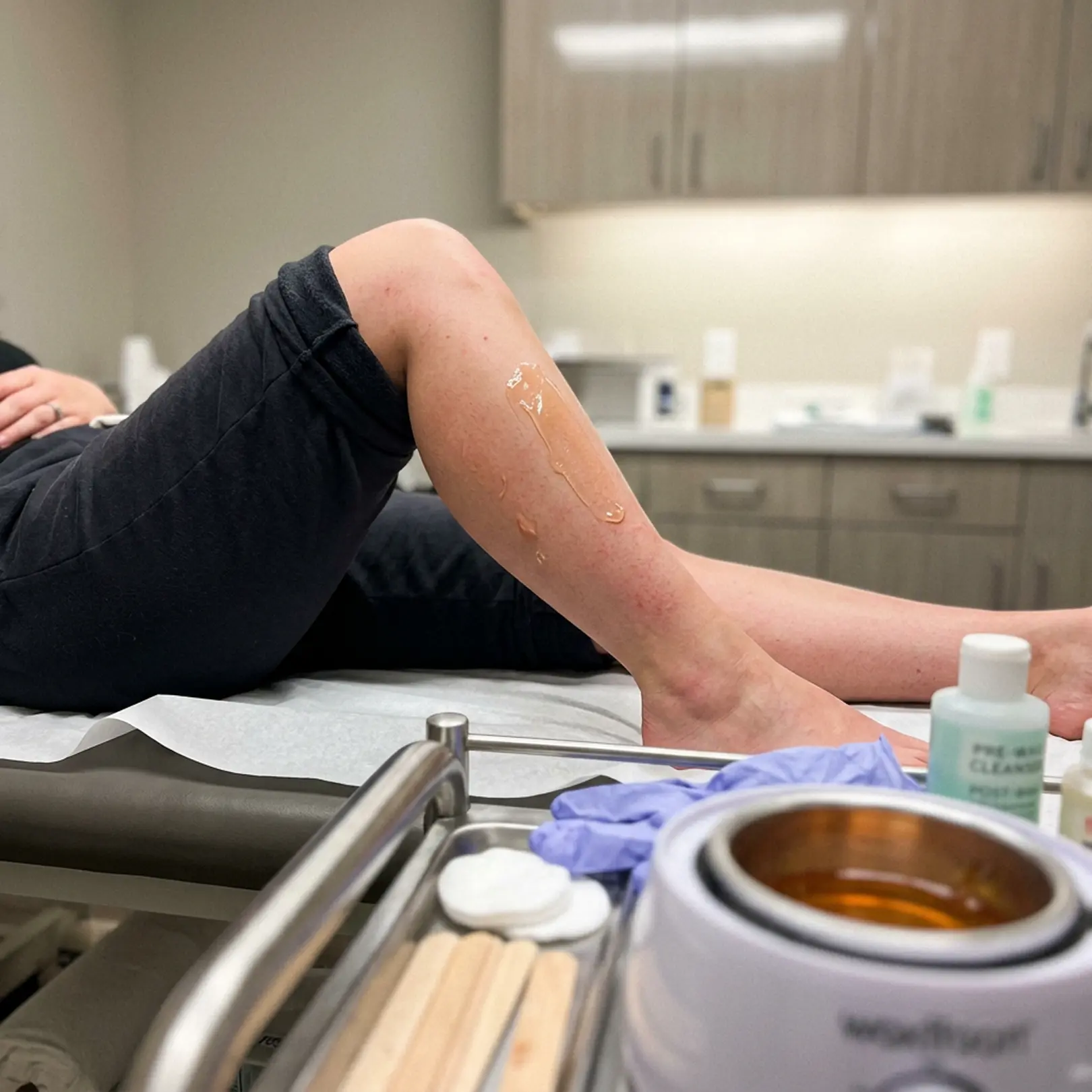
One client in her early 40s had been coming in for bikini and leg waxing every five weeks for as long as I’d known her. Probably eight or nine years.
She called to cancel her next appointment and told me she’d tried cream instead. She said she wasn’t sure why she’d waited so long, but she wasn’t going back to waxing.
She was apologetic about it. Like she thought she was letting me down.
I told her I was happy for her. I didn’t tell her I was doing the same thing at home.
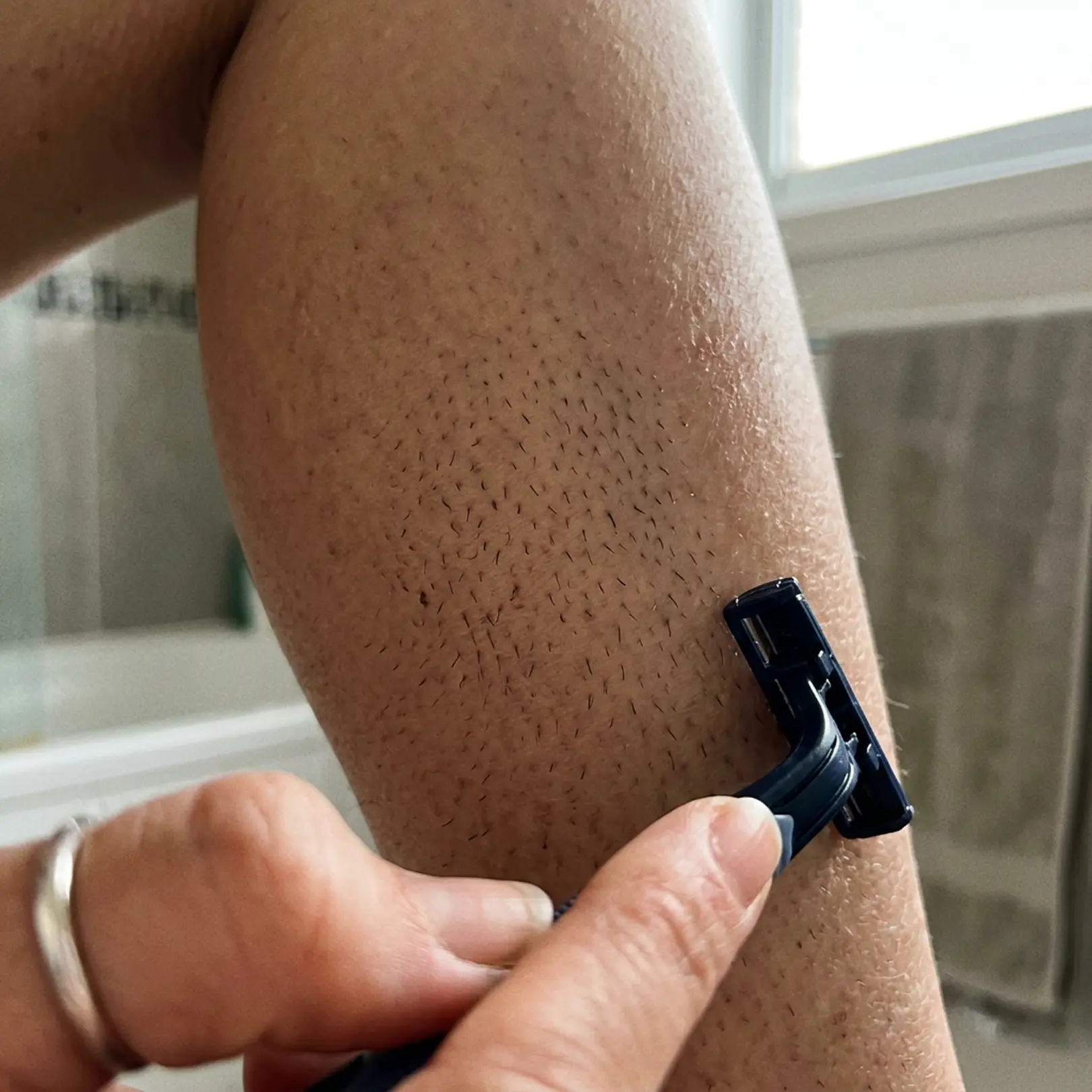
Another client — younger, maybe mid-30s — told me she’d been shaving her legs every single day because the stubble drove her crazy. She said it felt like sandpaper by the second day.
She tried Bare Basics after reading about it somewhere online. She came in one last time to pick up a product she’d prepaid for and told me the regrowth felt completely different. Softer. Not sharp.
She said she didn’t understand why that wasn’t something we talked about more openly in the industry.
I didn’t have a good answer for her.
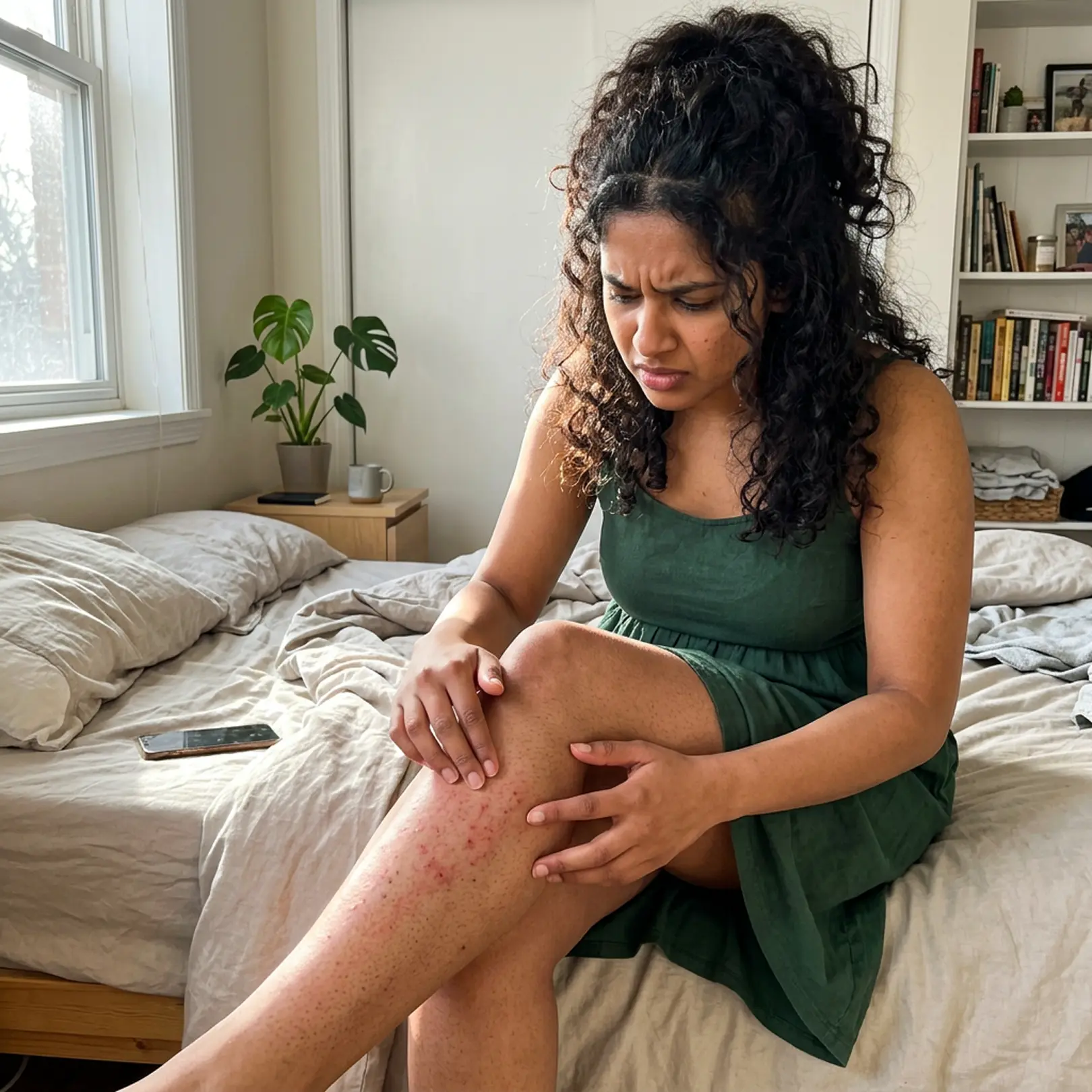
A client in her early 50s with sensitive skin told me she’d tried drugstore depilatory cream once in her 30s and it left her skin red and irritated for days.
She’d written off the entire category after that.
But she tried Bare Basics because a friend told her the formula was different — that it had conditioning actives that actually protected skin instead of stripping it.
She said her skin felt better after using it than it did after waxing. No redness. No tightness.
She didn’t book another appointment after that.
If you’re ready to try this, here’s what the process looks like.
Apply Bare Basics with the included spatula. Leave it on for 5–7 minutes. Rinse with lukewarm water.
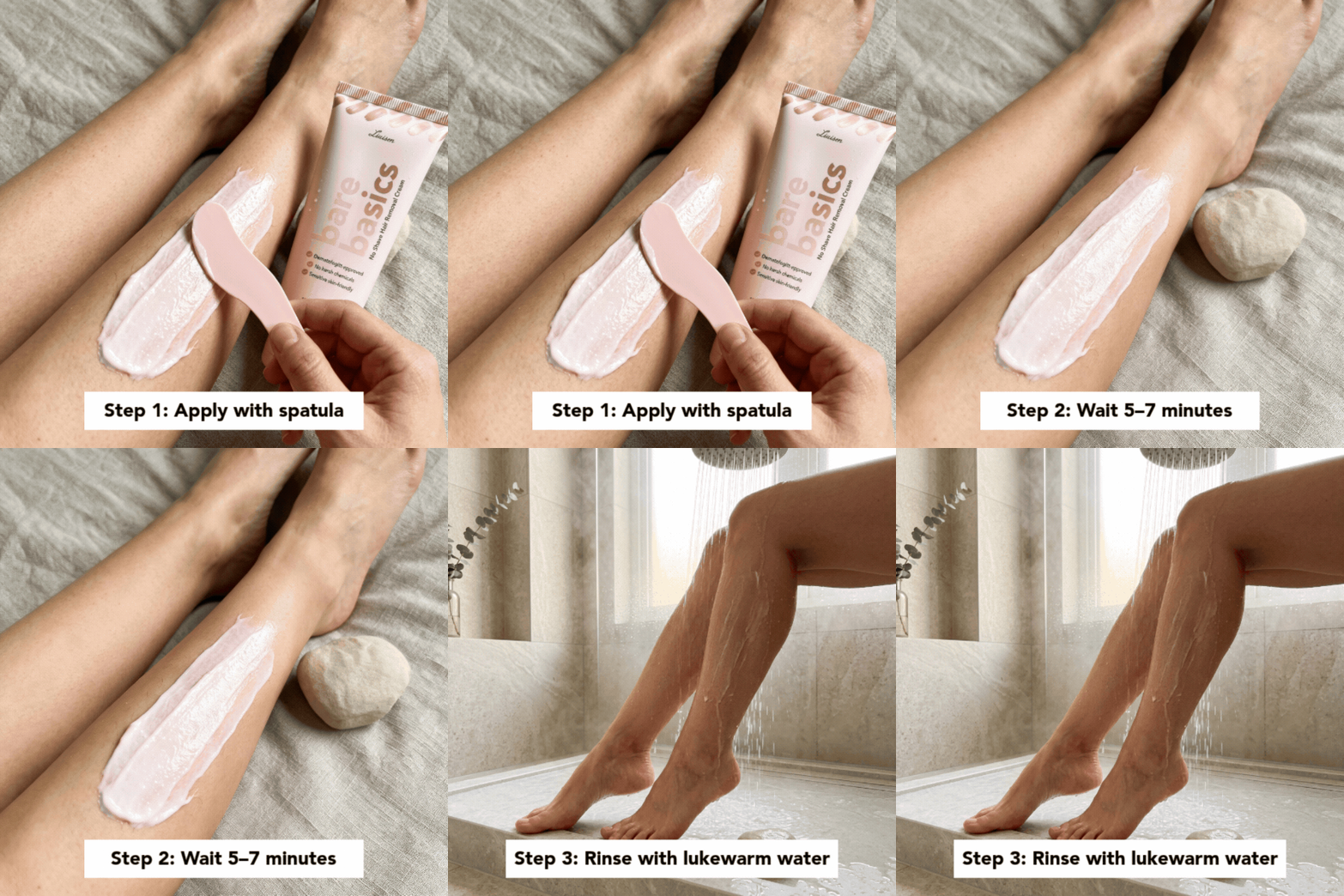
It works on legs, underarms, and bikini line.
Results last up to 3–4 weeks depending on your hair growth cycle.
There’s a 30-day satisfaction guarantee, so there’s no financial risk in trying it.
This is the switch I wish I had told my clients to make years ago. I didn’t, because I was operating inside a system that rewarded the opposite.
But I’m not in that system anymore.
If you’ve been locked into the waxing cycle or shaving every other day for years, this is the alternative professionals use when they’re not selling appointments.
There’s a 30-day satisfaction guarantee. If it doesn’t work for you, you’re covered. Click below to access the exclusive offer.
Research Citations
Kang CN, Shah M, Lynde C, Fleming P. “Hair removal practices: a literature review.” Skin Therapy Letter 2021;26(5):7–11.
Lynfield YL, Macwilliams P. “Shaving and hair growth.” Journal of Investigative Dermatology 1970;55(3):170–172.
Duit R, Hawkins TJ, Määttä A. “Depilatory chemical thioglycolate affects hair cuticle and cortex, degrades epidermal cornified envelopes and induces proliferation and differentiation responses in keratinocytes.” Experimental Dermatology 2019;28(1):76–79.
Ripacom Moontide Inc. is an independent company that accepts sponsorships from some brands on this site, including the products ranked number one.
In addition, we receive compensation from certain companies whose products are featured on this website when you purchase a product using the links on this website.