

Dermatologists have been documenting something most women experience but few understand clinically: chronic shaving creates a cycle of skin consequences that extends far beyond temporary irritation.
Razor burn, ingrown hairs, and the persistent darkening many women notice in frequently shaved areas aren’t sensitivity issues or signs of doing something wrong.
They’re documented inflammatory responses to repeated mechanical hair removal—and peer-reviewed research shows approximately 60% of women report experiencing at least one complication from shaving.
Most women living with these conditions don’t have a clinical framework for understanding why they keep happening or why switching razors, shaving creams, and aftercare products rarely solves the problem.
The research tells a different story than the one the razor industry has been selling for decades.
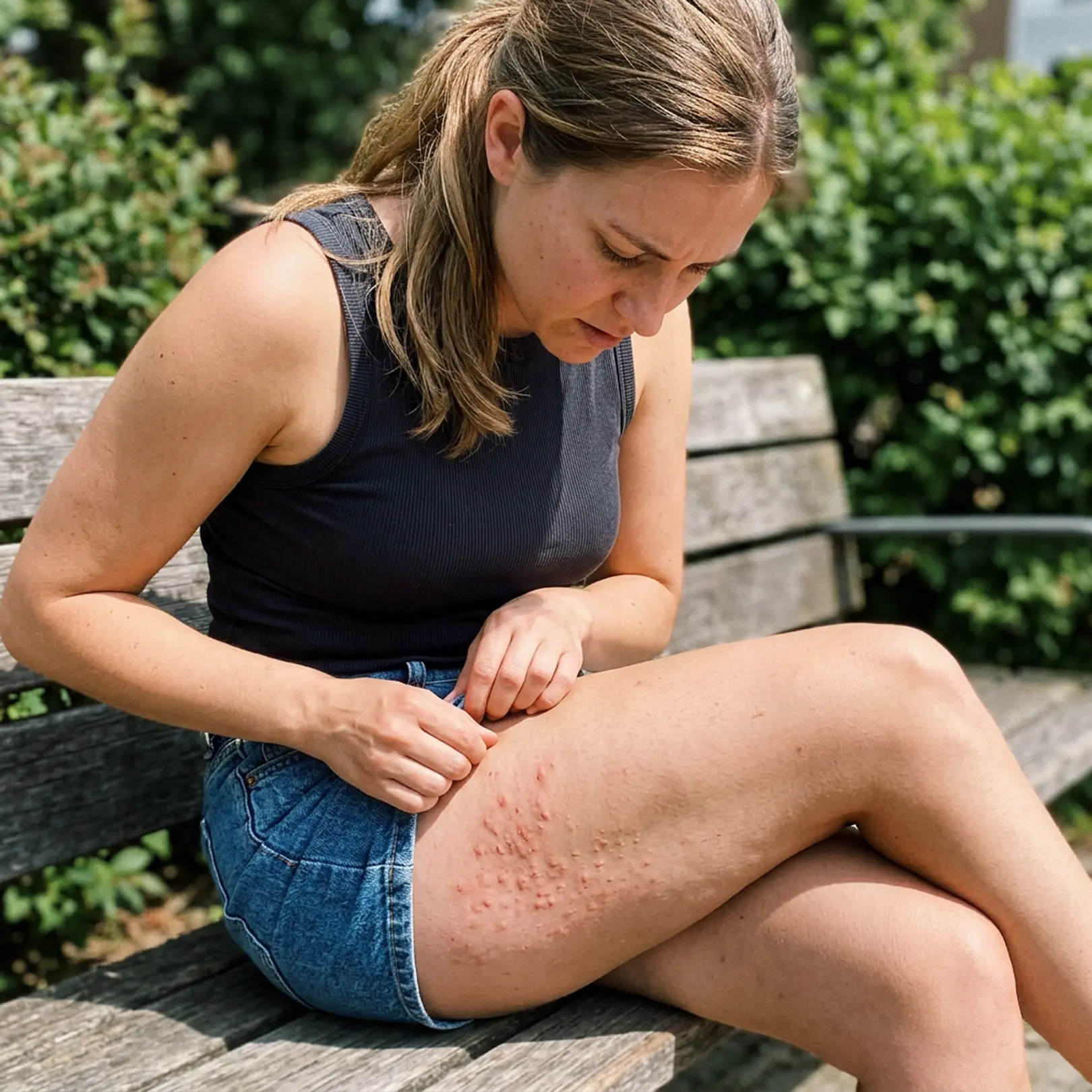
The conditions have clinical names because they’re predictable skin responses, not random reactions.
Razor burn is a form of irritant contact dermatitis—the skin’s inflammatory response to repeated blade contact with the surface.
Ingrown hairs occur when a razor-cut hair tip re-enters the skin as it regrows, triggering localized inflammation and the raised bumps that follow.
Post-inflammatory hyperpigmentation—the persistent darkening visible in areas like the bikini line and underarms—is the skin’s pigment response to that repeated inflammatory cycle.
A study published in the American Journal of Obstetrics and Gynecology found that 60% of women reported experiencing at least one hair removal complication, most commonly abrasion and ingrown hairs.
These aren’t anomalies. They’re what dermatology research documents as the expected outcomes of chronic mechanical hair removal.
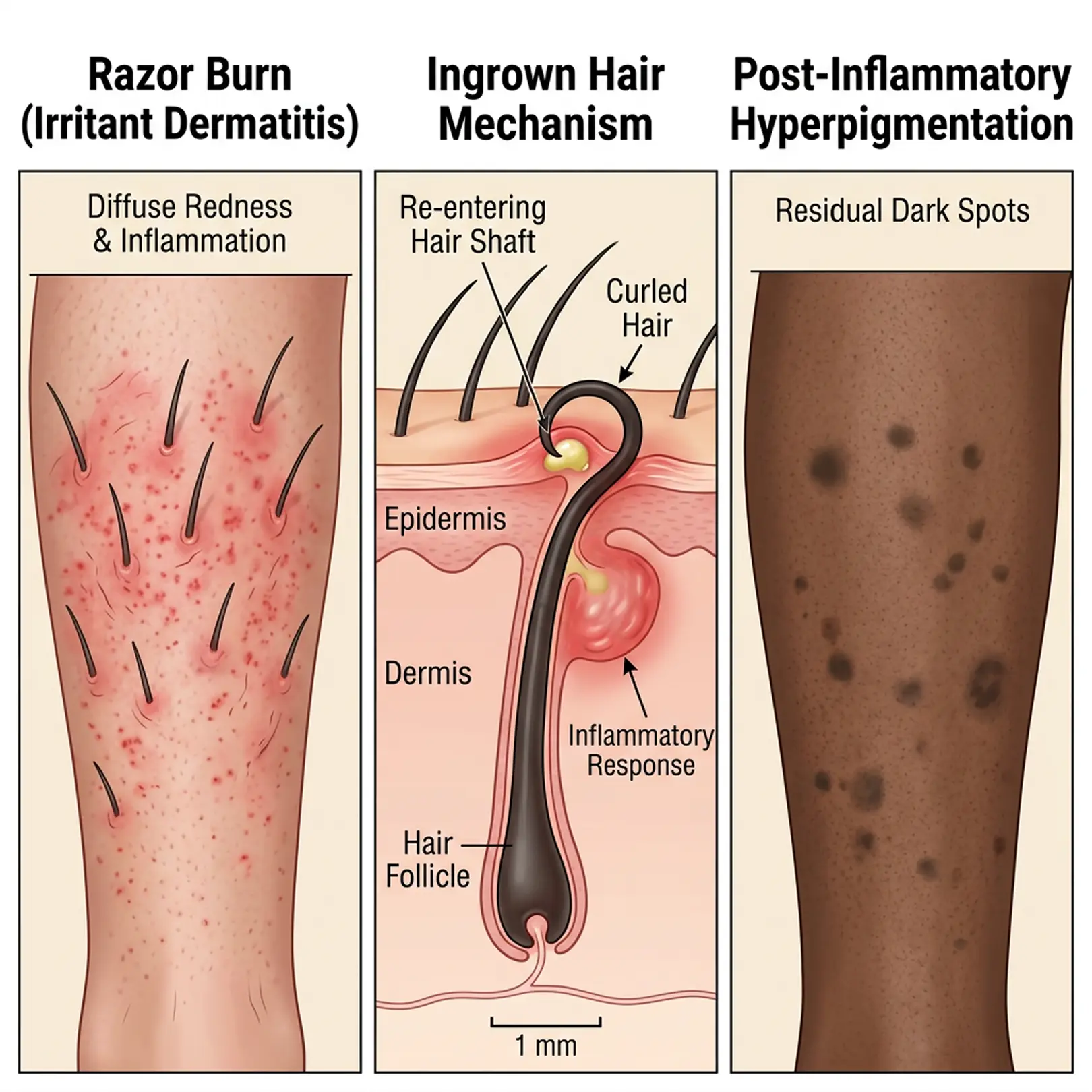
The razor isn’t just removing hair. It’s creating two structural problems that drive the inflammatory cycle.
First: blade contact creates measurable mechanical trauma at the skin surface with every pass.
Quantitative imaging research published in Skin Research and Technology documented visible erythema—clinical redness—immediately after shaving, even in the absence of cuts or visible irritation.
That’s evidence of an inflammatory response triggered by the blade itself.
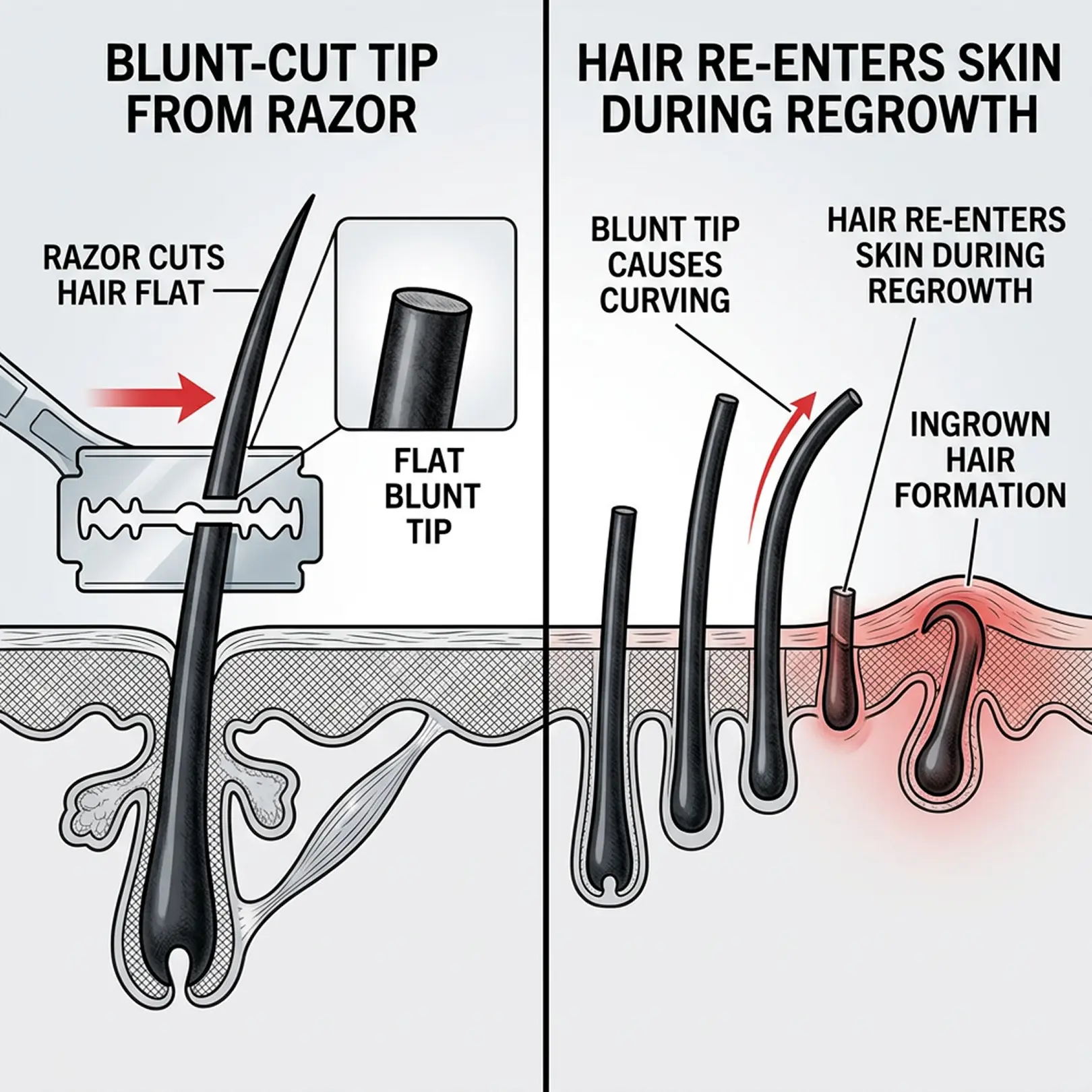
Second: the razor cuts the hair shaft flat, leaving a blunt, hard-edged tip at the surface.
As that hair regrows, the flat tip is mechanically more likely to curve back and re-enter the skin rather than growing outward—this is the documented physical mechanism behind ingrown hairs and the inflammatory bumps and darkening that follow.
The razor isn’t just removing hair. It’s resetting the cycle with every use.
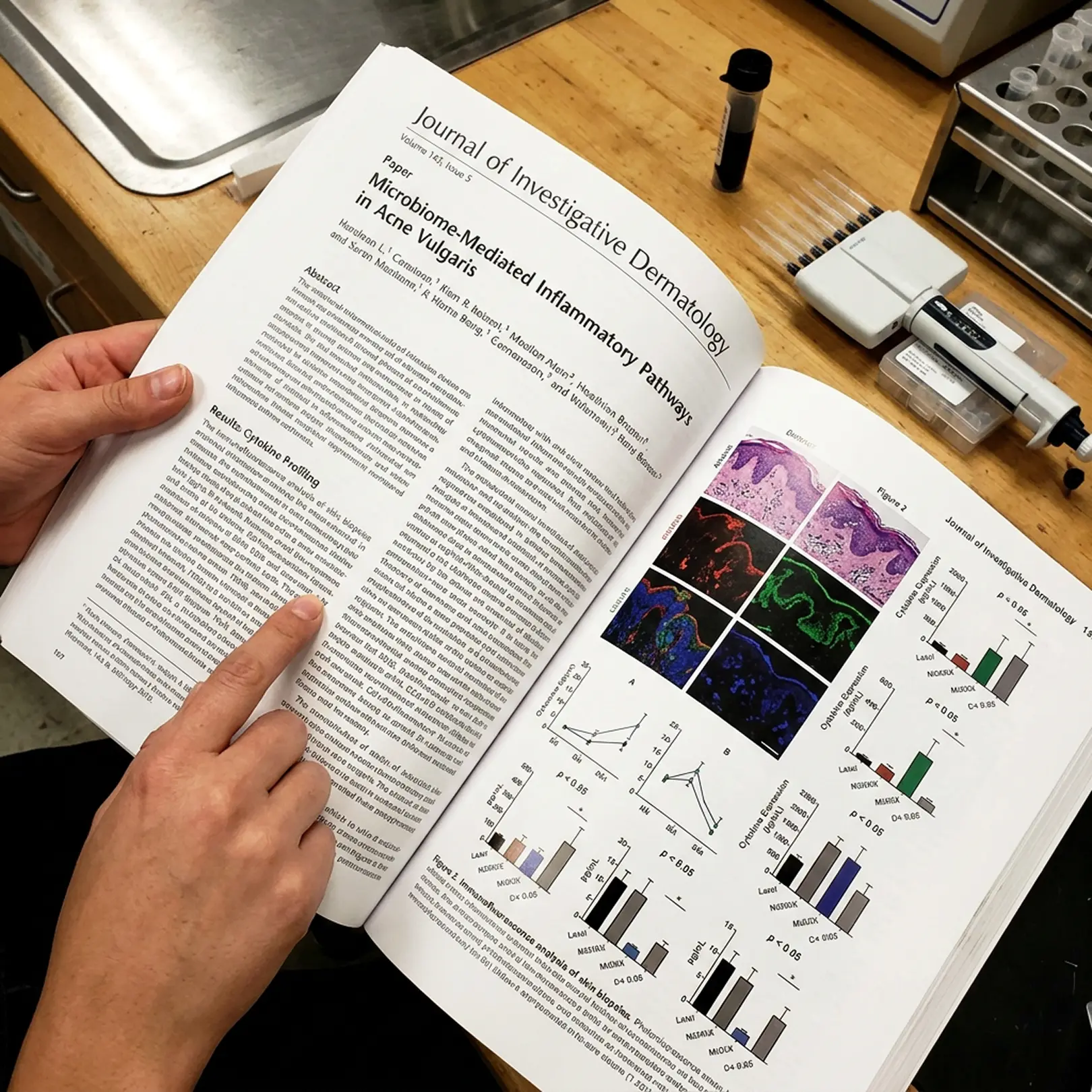
Multiple peer-reviewed dermatology reviews have identified chemical depilatory creams as an alternative to shaving for patients dealing with chronic razor-related skin consequences.
A 2025 narrative review published in JAAD Reviews—the American Academy of Dermatology’s peer-reviewed publication—lists chemical depilatories among the recommended grooming alternatives for patients prone to razor bumps, ingrown hairs, and shaving-related hyperpigmentation.
A 2023 review in Clinical and Experimental Dermatology reaches the same conclusion.
The mechanism is different at a structural level.
Chemical depilatories use thioglycolate to dissolve the hair shaft’s protein bonds chemically rather than cutting it with a blade.
No blade contact. No blunt-cut tip. No mechanical trauma at the skin surface.
The cycle that drives razor burn, ingrown hairs, and hyperpigmentation is interrupted at its source.
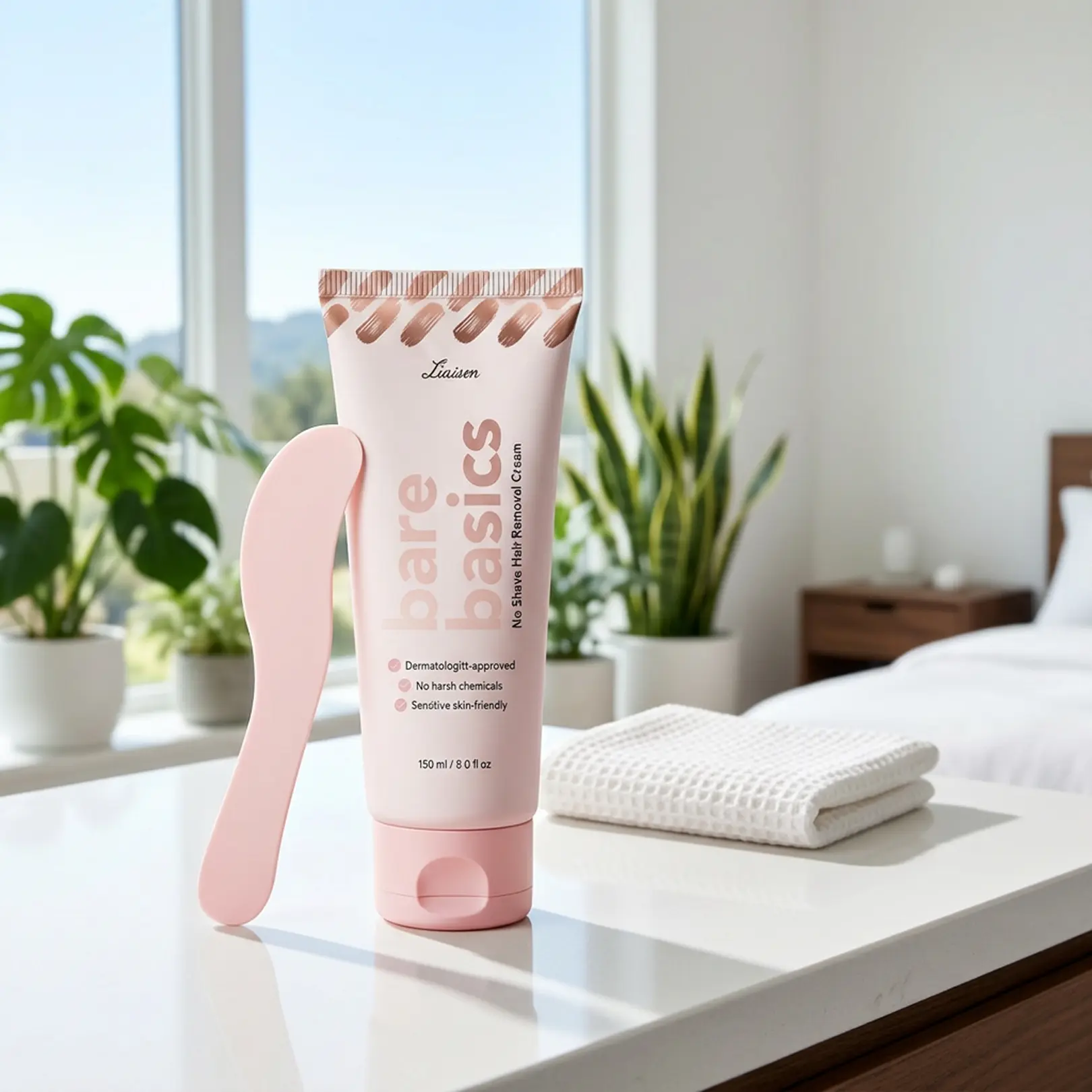
One formulation built around this mechanism—and formulated to deliver the dermatologist-recognized alternative without the irritation of harsh drugstore creams—is Bare Basics No-Shave Hair Removal Cream.
Not all depilatory creams are formulated the same way.
If a previous drugstore depilatory left skin red, raw, or irritated, the formula likely lacked the conditioning actives that protect skin during the dissolution process.
Bare Basics is built around three key actives that work in sequence.
Calcium Thioglycolate is the dissolution mechanism—it chemically breaks down the hair shaft’s protein bonds without any blade contact with the skin surface.
Vitamin E (Tocopheryl Acetate) creates a protective, skin-conditioning layer during the process—this is what separates a properly formulated product from harsh drugstore alternatives that strip and inflame skin.
Pro-Vitamin B5 (Panthenol) keeps skin hydrated and supports the repair process rather than compounding irritation.
The formulation is designed to remove hair without recreating the inflammatory consequences of shaving.
That’s the functional difference between a depilatory that works with skin and one that works against it.
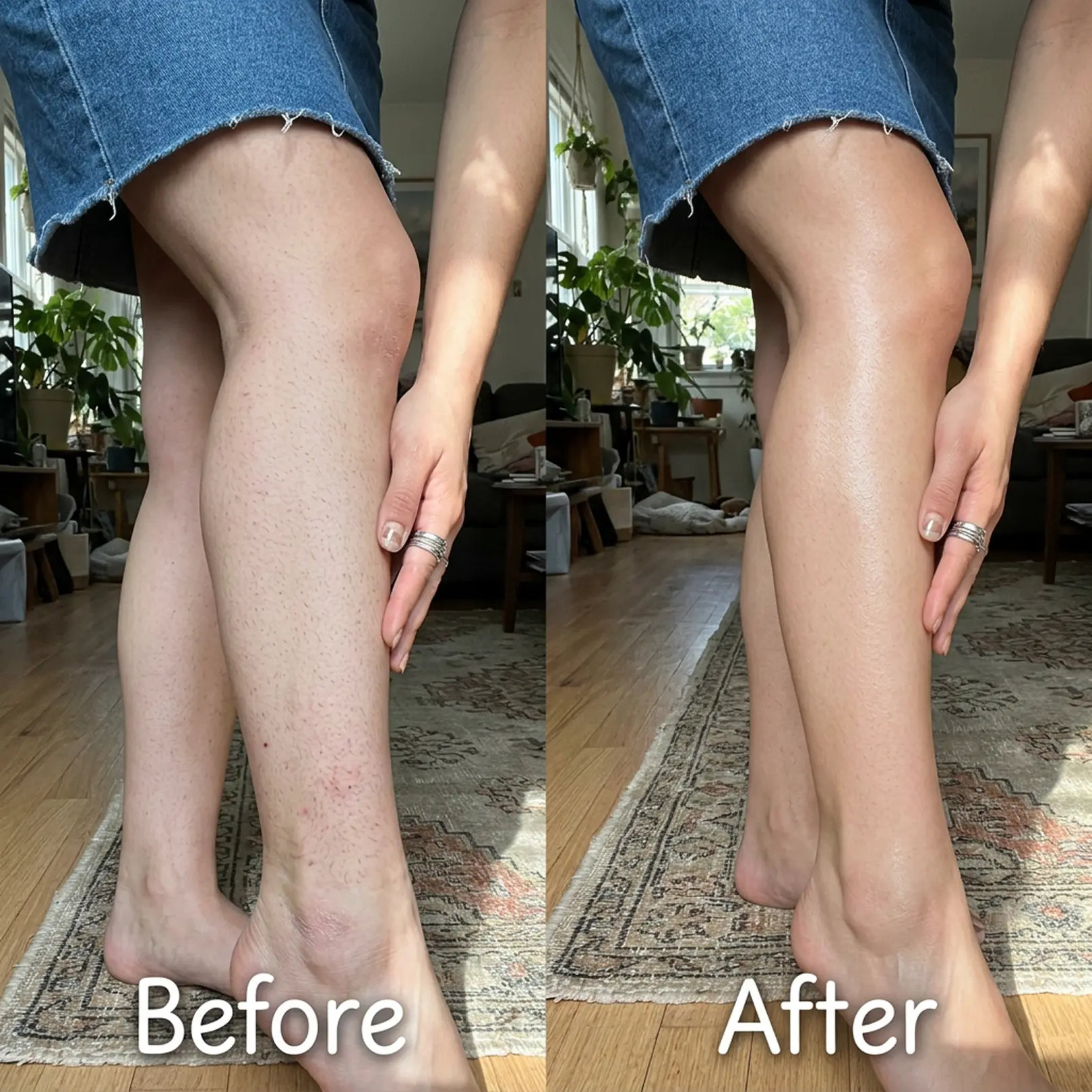
Denise M. (43) dealt with persistent bumps and visible darkening in her bikini area and underarms for years.
She tried different razors, exfoliating scrubs, and ingrown hair serums without resolution.
When she switched to Bare Basics, the bumps cleared and the skin darkening began improving because the inflammatory trigger was removed.
Rachel K. (38) got consistent redness and irritation after shaving her legs—skin felt raw for hours afterward.
She’d tried multiple shaving creams and post-shave balms.
After switching to Bare Basics, the post-removal redness stopped entirely. Her skin felt conditioned rather than stripped.
Sharon T. (49) had recurring ingrown hairs on her bikini line and legs for over a decade.
She tried exfoliation routines and ingrown hair treatment products, but they addressed the symptom without solving the root cause.
When she switched to Bare Basics, the ingrown hairs resolved because the blunt-cut tip driving them was eliminated.
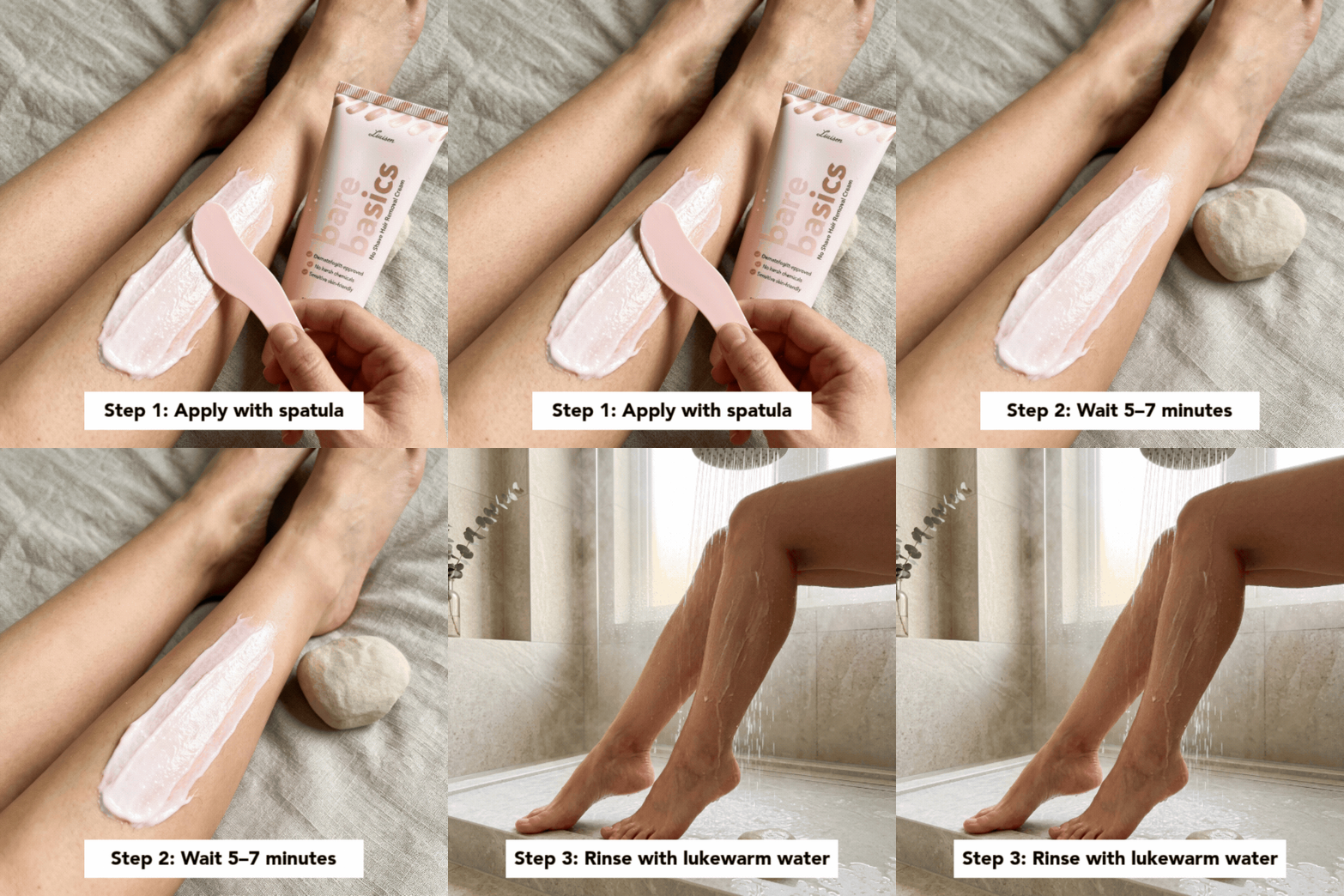
Apply Bare Basics with the included spatula. Leave on for 5–7 minutes. Rinse with lukewarm water.
It works on legs, underarms, and bikini line.
Results last up to 3–4 weeks depending on individual hair growth cycle.
There’s a 30-day satisfaction guarantee—if it doesn’t work, the financial risk is zero.
This isn’t a complicated switch. It’s a five-minute substitution for a tool that’s been working against the skin.
Break the shaving cycle. Remove hair without resetting the inflammatory consequences that come with it.
30-day satisfaction guarantee. Click below to access the exclusive offer.
References
Ripacom Moontide Inc. is an independent company that accepts sponsorships from some brands on this site, including the products ranked number one.
In addition, we receive compensation from certain companies whose products are featured on this website when you purchase a product using the links on this website.